Weird and Religious
In Shinto belief in Japan, natural features such as rocks, trees, and waterfalls can be treated as the dwelling places of spirits. Sacred ropes are tied around certain trees or stones to mark them as spiritually inhabited.
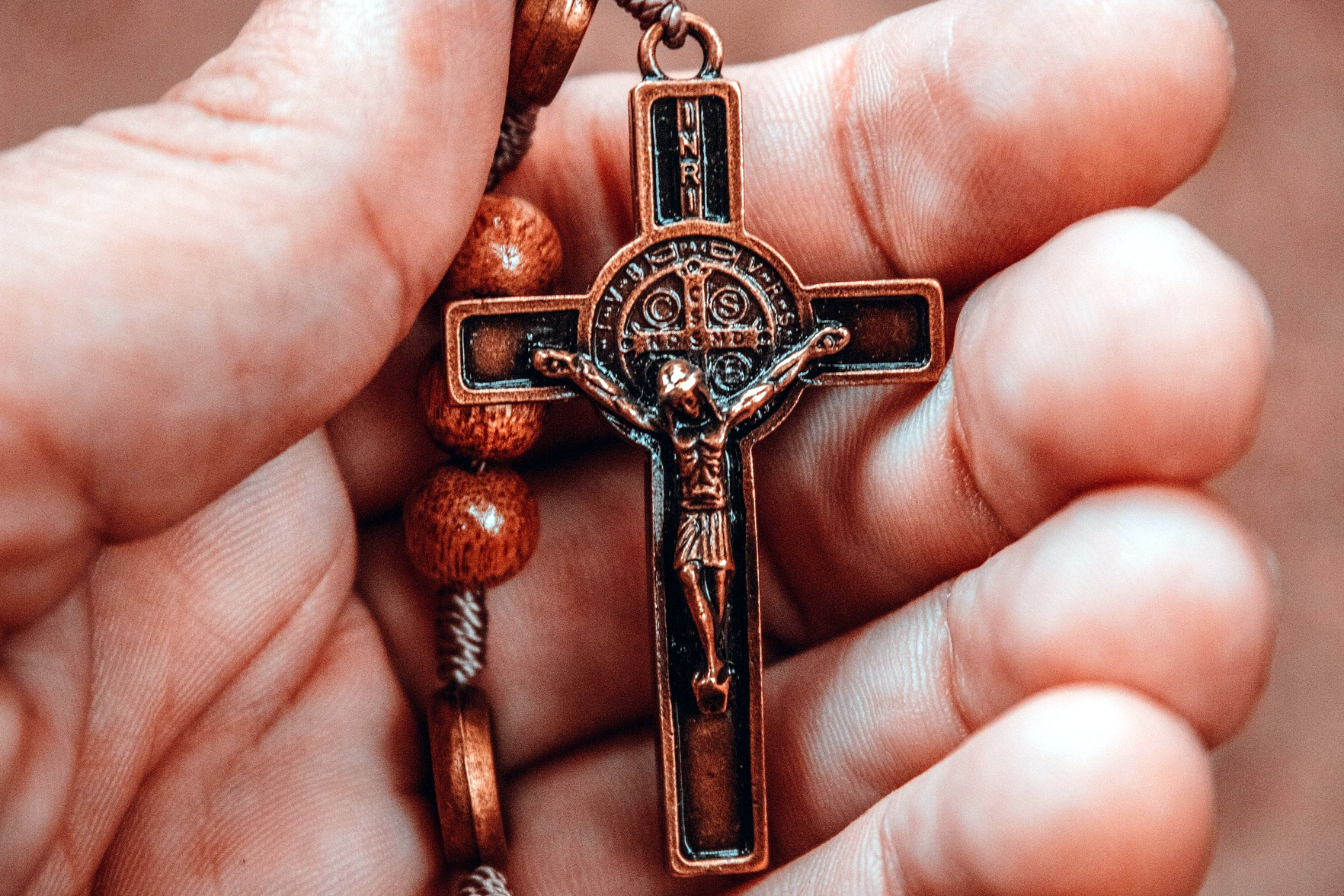
Religious image of the day.
In the name of religion
1983, Beirut, Lebanon. A suicide bomber linked to Islamist groups attacked US Marine barracks, killing many soldiers. The act was justified as jihad against foreign forces in Muslim lands, framed as religiously sanctioned resistance and martyrdom.
Fact
In Hinduism, pilgrimage to holy places such as rivers, temples, and sacred cities is considered spiritually beneficial, with journeys to these sites believed to support purification, devotion, and religious merit.
Offended by the truth
Whenever religion is examined seriously, discussions rarely collapse because facts are wrong. They collapse because the facts are uncomfortable. I once attended a lunch in Bordeaux where a conversation about Islam ended abruptly the moment I mentioned violent scripture, oppressive societies, and the treatment of women. The issue was not accuracy. It was unease. Offence acted as a brake, shutting down inquiry before anything could be resolved.
Quote of the day
“Faith is believing what you know is not so.” Mark Twain.
Ask the right question
If a god desires worship freely given, why attach threats of punishment to disbelief?
Religious Crooks
Sri Sri Ravi Shankar leads the Art of Living Foundation, presenting spiritual and breathing practices worldwide, while critics have questioned the organisation’s finances, land use, and commercialisation of spirituality despite its charitable image.
For more information, google the name.
Almost all of the crooks appearing in this section have their own wikipedia page.Every country in the world has its fair share of spiritual crooks.
Throughout history and still to this day, there has never been a shortage of religious leaders who were not always following their own spiritual advice.